When Helping Becomes Taking Over

Sometimes the most respectful thing we can do is ask, listen, and let people choose.
Sometimes, the hardest part of helping someone isn't knowing what to do. It's knowing when to step back.
When we care about someone, we naturally want to help. We see possibilities, recognize problems, and imagine solutions. And often, with the very best intentions, we begin deciding what another person needs before we've fully listened to what they want.
Gary and I have talked about this for years. We all experience the world through our own perceptions, and what seems like an obvious solution to one person may not be the right choice for another.
Respecting someone's agency means recognizing that their life, their choices, and their decisions belong to them—even when we wish they would choose differently.
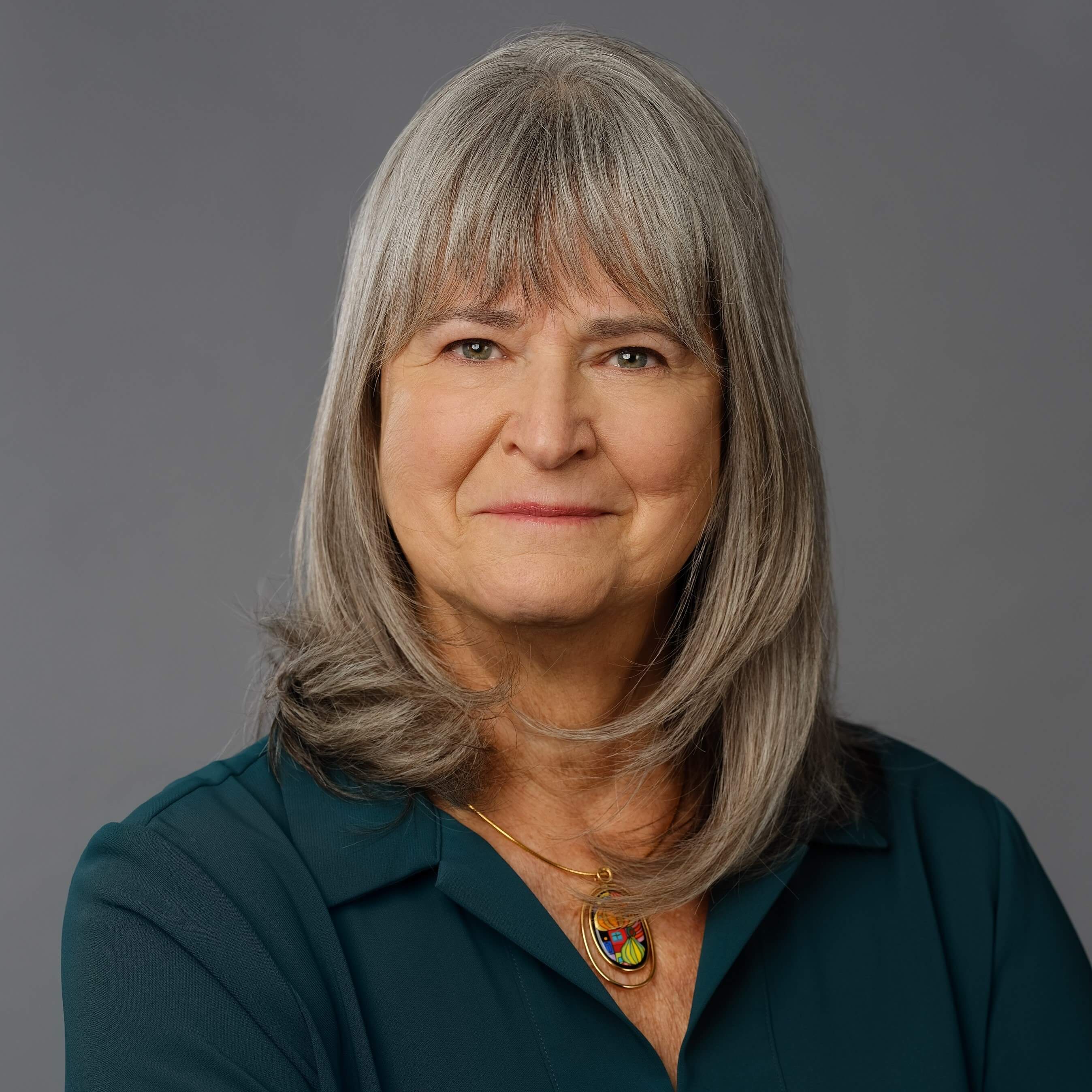
This week, I'm delighted to share an article by Connie Golds, one of our certified Perceptual Style Coaches and a nonprofit leadership consultant. Connie shares a personal experience that challenged her own instincts about helping others.
Although she originally wrote this piece for nonprofit leaders, its message reaches far beyond that world. It's about something all of us encounter in our relationships: the difference between offering help and taking over.
And perhaps most importantly, it's about learning to listen—not just to understand, but to respect what we hear.
By Connie Golds
I'm deviating a little from my usual nonprofit and leadership musings to share a story from my life.
Don't worry. I'll bring it back around to leadership. You know me.
In addition to being a nonprofit and leadership consultant, I teach martial arts, specifically karate, primarily to neurodivergent youth and young adults.
Nonprofit consultant by day. Karate instructor by night.
Odd combination? Perhaps. But it works for me.
There's a man named David who hangs out around our dojo on weekends and in the evenings. David is unhoused. He's probably in his late 30s and, if you handed him a surfboard, he could probably wander onto a Malibu beach without anyone giving him a second look. Very definite surfer vibes.
Over the past few months, I've gotten to know him a little.
I bring him water. Sometimes food. He's particularly fond of El Pollo Loco power bowls. I bought him a pair of sneakers and some socks because good footwear matters when your feet are your primary mode of transportation.
And because this is the desert.
I live near Palm Springs, where summer temperatures routinely wander north of 110 degrees. At night, Mother Nature graciously turns the thermostat down to approximately still ridiculously hot.
I cannot imagine living outside in that heat day after day.
Earlier this summer, I asked David if he wanted me to make some calls for him.
When I was Executive Director of Desert Best Friend's Closet, we worked with several organizations serving people experiencing homelessness in the Coachella Valley. I told him I couldn't promise anything, but I knew some people. I could make some calls. Perhaps help him find a shelter or connect with services.
David said no.
And I didn't make the calls.
That was harder than it sounds.
Because I wanted to help him.
Actually, let me correct that.
I wanted him to accept the help I thought he needed.
There's a difference.
This past Saturday, I offered again.
This time, there was a new reason for my concern. With the possibility of heavy winter rains ahead, I found myself thinking about what those conditions could mean for someone living outdoors.
I explained this to David.
I told him that while I love camping and being outdoors, when everything you're wearing and everything you own gets wet, that's a level of misery like no other.
David agreed.
Then he paused.
"I'll think about it," he said.
And I left it there.
Because David has agency.
He gets to make decisions about his own life, even when they aren't the decisions I would make for him.

[Photo of David's cart — David declined having his photo taken but gave Connie permission to photograph his cart.]
And therein lies our nonprofit lesson.
We nonprofit people are do-gooders.
I use that term affectionately because I am one.
We are full of passion, optimism, and grassroots activism. Give us three volunteers, a folding table, a Costco membership, and $47 and we'll have a pilot program running by Tuesday.
It's one of the things I love most about our sector.
But that instinct can also get us into trouble.
Sometimes we become so focused on helping people that we forget to ask them how they want to be helped.
We design the program.
We establish the eligibility requirements.
We determine the hours.
We decide what success looks like.
We identify what people "need."
And then we invite them to participate in the solution we've already created for them.
There is a word for some of this: paternalism.
There are also important conversations about the "white savior" dynamic, particularly when people with greater privilege enter marginalized communities assuming they know what is best for the people who live there.
But I think the underlying question is one every nonprofit leader should be willing to ask:
Are we helping people solve problems, or are we solving problems for them without asking what they want?
That's an uncomfortable question.
It should be.
And while I'm asking this question of nonprofit leaders, it isn't limited to the nonprofit world.
It happens in workplaces, families, friendships, and any relationship where one person wants to help another.
Our intentions may be good. Our ideas may even be helpful. But that doesn't automatically make them the right choice for someone else.
People experiencing homelessness have agency.
People living in poverty have agency.
People with disabilities have agency.
People experiencing unemployment have agency.
The people our organizations serve are not problems to be fixed.
They are people.
Of course, there are circumstances when someone's immediate safety is at risk or when a person may present a danger to themselves or others. Those situations are different.
But most of the time, helping doesn't require taking away someone's ability to choose.
It means we start by asking.
What do you need?
What would help?
What isn't working?
What are we missing?
And then comes the part that can be surprisingly difficult for those of us who have made careers out of helping people:
We listen.
Really listen.
Not "listen until it's my turn to explain the program."
This matters at the governance level, too.
When you're recruiting new Board members, don't only look for the attorney, banker, accountant, or person with an impressive contact list.
Look for lived experience.
Former clients can bring tremendous wisdom to a Board. So can people from the communities your organization serves.
If Board membership isn't appropriate or possible, create another meaningful way for people with lived experience to advise the organization. An advisory council. A focus group. Regular listening sessions.
But don't just invite them into the room.
Listen to them when they get there.
They may tell you that the program you love isn't working.
They may tell you that the service you think is essential isn't what they need.
They may even say no to the help you're offering.
That's where dignity lives.
And yes, before publishing this, I showed this blog to David. I asked if he was comfortable with me sharing his story and using his name. He said yes. I also asked if I could take his photo. He said no.
Both answers mattered.
As for David?
I'll keep checking on him.
I'll bring him water. Food. Socks. Hygiene products. Probably another El Pollo Loco power bowl.
And I'll keep the offer open.
If he tells me he's ready for me to make those phone calls, I'll start dialing.
Until then, I'm going to try to remember something those of us in the helping professions occasionally forget:
Helping someone and deciding for someone are not the same thing.
And sometimes respecting another person's dignity means allowing them to make a choice we wish they wouldn't make.
© 2026 Connie Golds
Connie Golds is a certified Perceptual Style Coach, nonprofit leadership strategist, and board and governance advisor. This article was originally published in her newsletter, Hey Nonprofit Leader!, and is shared here with permission. You can learn more about Connie and her coaching practice at conniegoldsconsulting.com
Find out more about the services we have available to help you find the success you want and deserve!