The Holidays We Remember
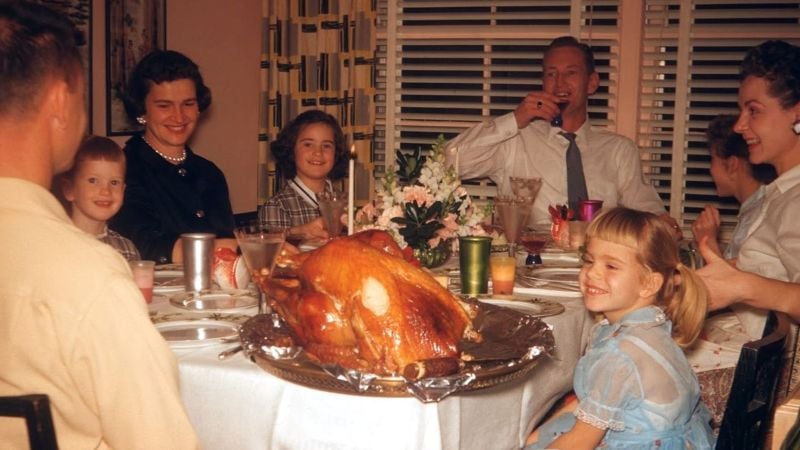

There are certain things about the holidays that stay with us long after the celebrations are over.
The familiar aromas coming from the kitchen. The excitement of gathering with family and friends. The stories told around the table, often the same ones we've heard for years. Or a tradition that began almost by accident and somehow became something everyone counts on.
I have wonderful memories of the holidays when I was growing up. Little things my mother did that made the season special. Later, when Ricardo and I married, we blended traditions from our childhood families and created some new ones.
One of those new traditions is an overnight stay with our grandchildren. At Thanksgiving, they spend the night with us, and the next morning we gather for a family brunch. We've kept the tradition going for years—even finding a way to make it happen during the pandemic.
Over the last few years, they've told us how much those times together have meant to them. But here's what's interesting. For some, the Thanksgiving meal is the highlight. For others, it's the Friday brunch. And for still others, it's the overnight stay itself.
Same family. Same tradition. Different favorite memories.
I suspect that someday, when they're celebrating holidays with families of their own, some of those memories will find their way into the traditions they create.
That's one of the lovely things about nostalgia. Our memories connect us to the people, places, and experiences that have shaped our lives. And research suggests that nostalgia can do more than make us smile. It can strengthen our sense of belonging, reinforce our sense of meaning, and help us feel connected to others.
But there's another side to nostalgia, especially during the holidays.
When the Past Meets the Present
Not all holiday memories bring smiles.
For some, the season brings an especially sharp awareness of someone who is no longer here. A familiar song, a treasured family recipe, or an empty chair at the table can bring back memories of happier times—and with them, a renewed sense of loss.
For others, the sadness is less obvious. Perhaps the family gatherings that once filled the house have become smaller. Children have grown, moved away, or begun creating traditions of their own. Relationships have changed. Or circumstances have made it impossible to celebrate the way we once did.
And sometimes, even when everyone is still together, something has shifted.
A tradition that once brought excitement and joy now feels like an obligation. The elaborate holiday meal that everyone loved has become an exhausting undertaking. The annual gathering that once happened effortlessly now requires complicated schedules, travel arrangements, and compromises.
We remember how wonderful it used to be. We want to recapture that feeling.
But what happens when the holidays we remember no longer fit the lives we're living?
The very memories that bring us comfort can also become a source of disappointment when our expectations of the present are shaped by a past we can no longer recreate.
We can love what was and still need something different now.
When Memories Become Expectations
Our memories aren't perfect recordings of what happened. They're shaped by what captured our attention, what mattered to us, and the meaning we've attached to those experiences over time.
Our Perceptual Style influences what we naturally notice and value in an experience—and those impressions can shape the memories we carry and the expectations we bring to future celebrations.
The interesting part is that we don't always recognize how much our expectations are rooted in our own perceptions of the past.
We remember the warmth of having everyone together without realizing that someone else may remember the stress, the conflict, or the exhaustion.
We remember the excitement of a particular family tradition and assume everyone still enjoys it as much as we do.
And because those memories feel so meaningful to us, we can become surprisingly attached to recreating them.
Yet time passes, circumstances change, and what once made a holiday special may no longer mean quite the same thing to everyone involved.
This is where understanding Perceptual Style can make a difference. Instead of assuming we know why someone wants to preserve a tradition—or change it—we can become curious about what makes the holiday meaningful to them.
And when someone seems withdrawn or reluctant to participate, we might remember that the season can stir memories and emotions we know nothing about.
Understanding that people experience the same events differently doesn't automatically resolve those differences. But it can change the way we respond to them.
Making Room for the Holidays We're Living
As I think about the traditions Ricardo and I have created over the years, I realize that many of them grew out of the process of adapting.
We brought together two very different family histories, each with its own memories and expectations. We kept what mattered most to us, made room for what was new, and gradually created traditions that became meaningful to our children and grandchildren.
And those traditions will continue to evolve.
I hope our grandchildren will always remember their holiday overnight stays with affection. But I also know that as their lives change, the tradition will need to change with them.
That doesn't diminish what those years have meant. If anything, it reminds me that the value of a tradition isn't necessarily in repeating it exactly. It's in the connection and meaning it creates.
We don't have to choose between honoring the past and embracing the present.
Perhaps one of the greatest gifts we can give each other during the holidays is the willingness to understand what this season means to someone else.
As you think about the holidays ahead, is there a tradition you especially treasure? Has its meaning—or the way you celebrate it—changed over the years? I'd love to hear your thoughts.
Discover how understanding Perceptual Style can help you recognize your natural strengths, appreciate the contributions of others, and create stronger relationships. Explore The Power of Your Perception.
© Vega Behavioral Consulting, Ltd., All Rights Reserved
About Lynda-Ross
Lynda-Ross Vega is a partner at Vega Behavioral Consulting, Ltd. She specializes in helping corporate leaders, entrepreneurs, and individuals with interpersonal communications, team dynamics, personal development, and navigating change. Lynda-Ross is co-creator of Perceptual Style Theory, a revolutionary behavioral psychology theory and assessment system that teaches people how to unleash their natural strengths and build the life and career they dream of.
Additional information about Lynda-Ross