Coach Spotlight: Connie Golds on Leadership Strengths & Doing Hard Things
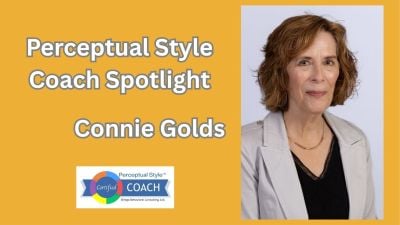
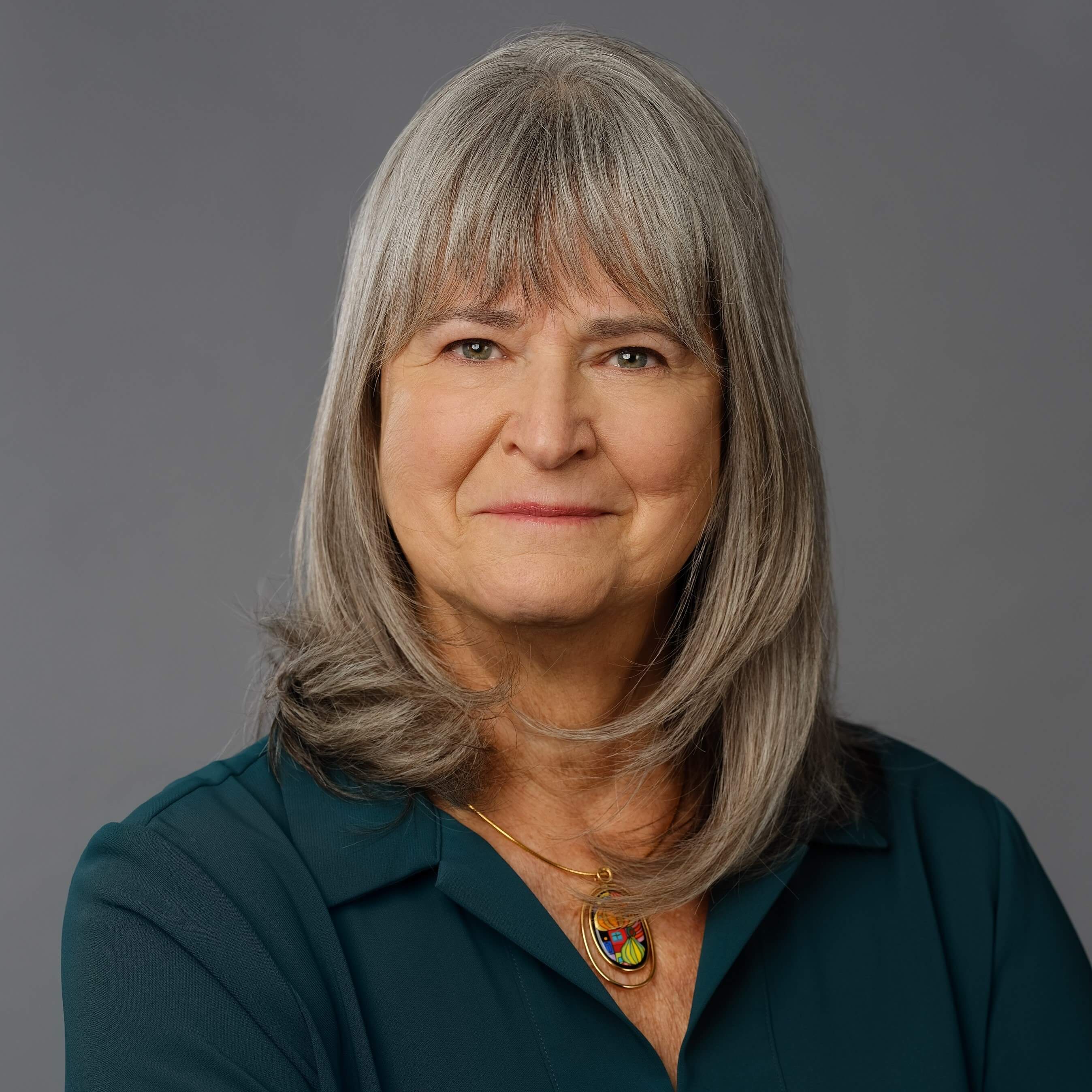
Some people have a way of making others feel more capable simply by being in the room.
That is Connie Golds.
Connie has spent her career uplifting people, strengthening organizations, and helping others recognize what is already good and strong within them. Whether she is working with nonprofit leaders, coaching teams through communication challenges, or teaching karate to neurodivergent and neurotypical students, her work carries the same message: people thrive when they are understood, respected, and supported in ways that align with who they truly are.
That is one of the many reasons I’m so happy to feature Connie in our Perceptual Style Coach Spotlight Series.
Connie is the founder and former CEO of Desert Best Friend’s Closet, the Coachella Valley’s only nonprofit providing free interview training and professional attire. Over 14 years, that work impacted more than 8,000 individuals. Today, through Connie Golds Consulting, she supports nonprofit leaders and organizations with insight into leadership, culture, and human differences. She is also a black belt in Shito-Ryu Karate-Do and teaches karate to both neurodivergent and neurotypical students.
That combination alone tells you a lot about Connie. She is thoughtful, mission-driven, practical, and deeply committed to helping people grow.
Discovering Perceptual Style™
Connie was first introduced to Perceptual Style years ago during a board retreat, and like so many people, she had one of those immediate “well, that explains a lot” moments.
As someone with the Vision Perceptual Style, she quickly recognized herself in the big-picture thinking, the optimism, and yes, the ongoing negotiation with details.
What Connie appreciates most about Perceptual Style is something I think many people feel but do not always say out loud: we spend far too much time focusing on what needs fixing and not nearly enough time recognizing what is already strong.
That is part of what drew her in. Perceptual Style helps people stop measuring themselves only by what feels hard and start understanding the value of what comes naturally.
Helping People Own Their Strengths and Understand Each Other
That perspective shows up clearly in how Connie coaches.
She especially enjoys working with teams, and it shows in her workshops. You can almost watch the light bulbs go on as people realize that behavior they’ve been judging in someone else often makes a lot more sense once they understand the person behind it. Suddenly they’re connecting the dots about coworkers and family, and what once felt frustrating begins to look more like a different way of approaching the same thing.
That shift is one of the things Connie cares about most. When people begin to see differences as strengths instead of problems, communication gets easier and collaboration improves. Instead of trying to change who someone is, the focus becomes understanding how each person naturally contributes.
That perspective shapes how Connie approaches both workshops and individual coaching. She helps people recognize the strengths they may have taken for granted and see how those strengths influence how they communicate, lead, and solve problems. The goal isn’t to turn everyone into the same kind of thinker—it’s to help people work more effectively with the differences that are already there.
More Than Insight. Real-Life Application.
Connie is especially good at helping people connect self-awareness to everyday decisions.
In one-on-one coaching, that might mean helping someone think more clearly about career direction, motivation, or what kind of work environment actually fits them. She shared the story of a client who was considering a career change primarily for more money. As they talked through his strengths and what energized him, he began to realize that the role he was considering would likely pull him away from the parts of work he enjoyed most.
Instead of chasing a job that looked better on paper but would likely leave him drained, he ended up reshaping his current role. By setting clearer boundaries and delegating some responsibilities, he created more time for the work that suited him best.
It’s a great example of something Connie understands deeply: success isn’t only about earning more or doing more. Sometimes it’s about understanding yourself well enough to design work that actually fits.
Nonprofits, Leadership, and Real-World Perspective
Connie’s background in the nonprofit world strongly shapes how she approaches leadership.
After years of building and leading Desert Best Friend’s Closet, she understands something many people miss: nonprofits may be driven by a mission, but they still have to operate like a business. Passion alone isn’t enough. Organizations still need structure, communication, and a mix of different strengths to move an idea forward.
That perspective carries into the leadership work she does today. Connie doesn’t see leadership as having all the answers or directing every decision. Instead, she believes strong leaders create space for different voices and strengths to contribute.
She’s also quick to point out that leadership doesn’t look the same for everyone. Some people lead by rallying energy and enthusiasm. Others lead by creating stability, asking thoughtful questions, or helping a team stay connected. What matters isn’t fitting a single leadership mold—it’s understanding how you lead best and surrounding yourself with people whose strengths complement your own.
When leaders begin to see their teams through that lens, something powerful happens. Instead of expecting everyone to work the same way, they start building environments where different approaches can work together.
Karate, Courage, and Doing Hard Things
Connie’s work in karate feels like a natural extension of who she is and a clear reflection of her approach to leadership and growth.
She began training about eleven years ago and, like many meaningful things in life, what started almost casually became something much deeper. Karate became discipline, community, challenge, and eventually a way to help others grow stronger too.
Today she teaches students across a wide range of needs and abilities, including neurodivergent athletes, athletes with disabilities, and children who have experienced trauma. Listening to her talk about that work, what comes through most isn’t just pride, though she has every reason to feel it. It is care.
She meets them where they are and helps them grow from there.
Some of the stories she shares are genuinely moving. Kids finding confidence. Students discovering their voice. Parents watching their children do things they never imagined possible. It is the kind of work that changes more than a skill set. It changes how people see themselves.
At the end of class, Connie leads her students in a motto that says so much about her approach to life and coaching:
“I’m smarter than I think, stronger than I feel, braver than I seem.
I can do hard things.”
That feels like more than just a class closing. It feels like the way Connie lives.
A Coach Who Helps People See What’s Possible
What stands out most about Connie is the way she balances encouragement with realism. She believes deeply in people’s potential, but she also understands that growth happens when people are supported in ways that respect who they already are.
That mindset shows up everywhere in her work—from coaching nonprofit leaders and facilitating team workshops to teaching karate and helping students discover strengths they didn’t realize they had.
At the heart of it all is a simple but powerful idea: when people feel seen for who they are, they begin to see new possibilities for themselves.
Connie works with individuals, leaders, teams, and nonprofit organizations to strengthen communication, collaboration, leadership, and organizational culture through the lens of Perceptual Style. She offers both in-person and virtual training and brings a refreshingly practical mindset to cost as well. With special pricing for nonprofits and a genuine willingness to work within real-world budgets, Connie focuses on making the work accessible rather than turning it into a luxury experience.
That feels very aligned with everything else about her: resourceful, grounded, generous, and focused on impact.
If you’d like to learn more about Connie’s work or explore coaching or workshops with her, visit Connie Golds Consulting or follow her writing on Hey Nonprofit Leader!
We’re grateful to have Connie as part of our Certified Perceptual Style Coach family, helping bring greater understanding, stronger relationships, and meaningful change—one person, one team, one organization at a time.
Please share your thoughts on this topic in the comment section below.
Find out more about the services we have available to help you find the success you want and deserve!