When Fixing Feels Like Love

I’m a born problem solver.
Issues energize me. Problems are interesting. It’s fun — and honestly validating — to see possibilities, generate options, and make a difference. Classic Vision traits.
Issues energize me. Problems are interesting. It’s fun — and honestly validating — to see possibilities, generate options, and make a difference. Classic Vision traits.
After reading Gary’s recent blog on helping and fixing, I found myself reflecting on this chapter of my own life and the difference between helping and fixing in ways I hadn’t fully understood at the time.
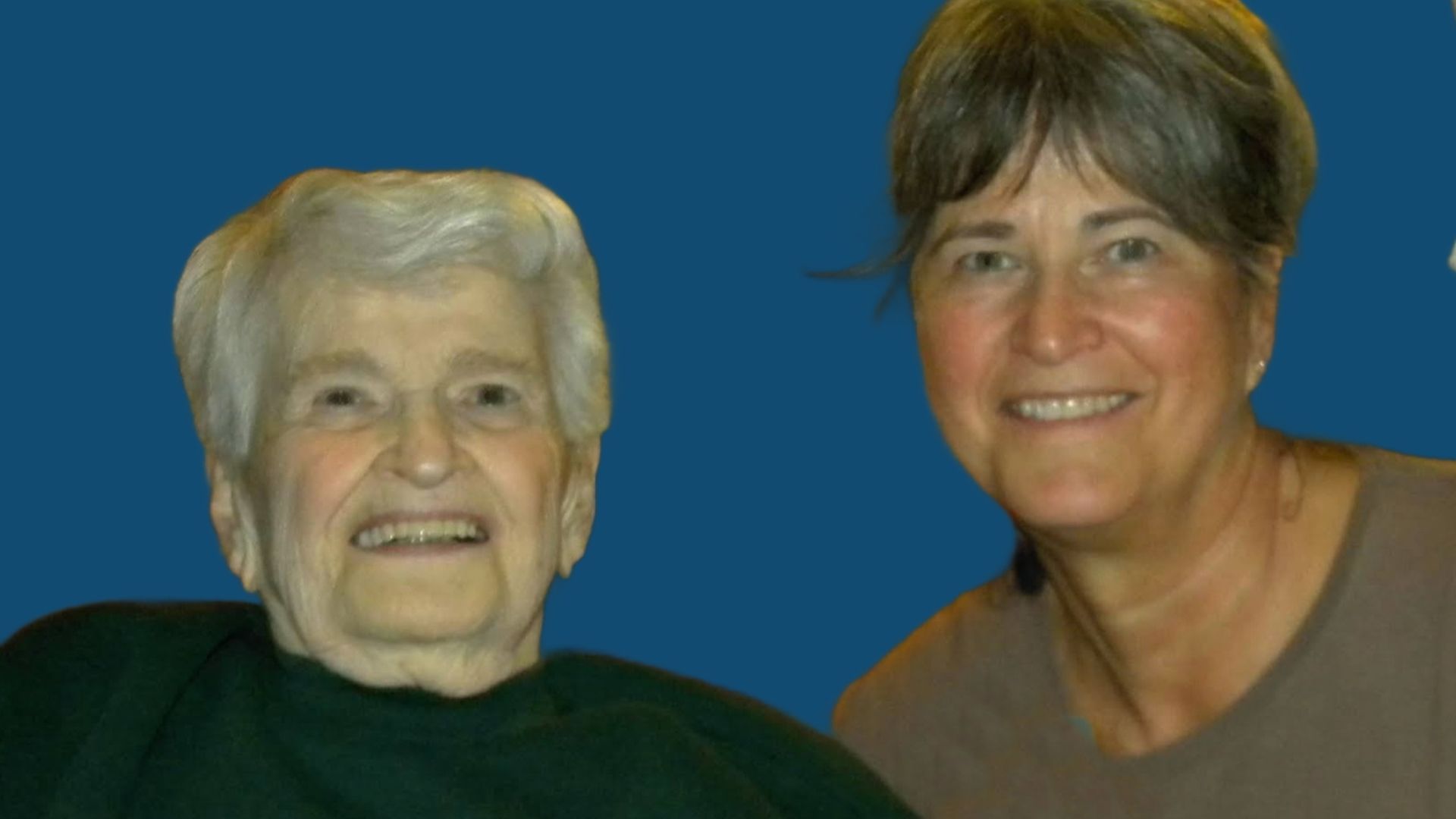
I’ve written before that my dad died when I was eleven. My mom was suddenly left to raise three young children on her own. I was the oldest. Almost overnight, I became her confidant and second lieutenant.
My mom struggled with grief and clinical depression for much of her life. She did her absolute best to put her kids first. But the depressive cycles were hard on all of us.
As a child, I was petrified of losing my remaining parent. So I worked very hard to make her happy.
An impossible task for an adult — let alone a child.
I tried to fix problems before they became problems. Even when they weren’t mine to fix. If she was unhappy, I felt like I had failed.
That created a persistent tension between us that lasted for years.
I used to joke that my mom was a professional guilt pitcher and I was a professional guilt catcher. The truth is, she didn’t always intentionally throw guilt — but I was always ready to receive it and own it.
This isn’t to say I was a perfect daughter. Far from it. I was independent and opinionated. But underneath all of that was a quiet voice telling me it was my job to make things right for her.
What’s interesting is that professionally, I learned early on the value of listening and asking others for their input. It became one of my trademark strengths throughout my career.
But not with my mom.
She would tell me a problem. I would give her the answer.
She would say I wasn’t listening. I would double down and try to get her to see the “right” solution.
Then one day, in the middle of one of these exchanges, she blurted out, “Quit treating me like a child!”
I was hurt. Here I was trying to help — and instead of appreciation, I felt accused.
Later that evening, I was recounting the conversation to my husband, Ricardo, and telling him how upset I was. He listened quietly, then smiled — not unkindly — and said gently, “She’s right. You are. And it’s not the first time.”
I was stunned.
I hadn’t seen it in myself. Sitting with that realization wasn’t comfortable.
Because underneath my helping was something harder to admit: I was still the eleven-year-old second lieutenant trying to prevent loss. Trying to stabilize what felt unstable. Trying to make sure my remaining parent would be okay.
Fixing didn’t just feel useful.
It felt necessary.
With awareness, though, I began to notice it in real time. I would catch myself mid-sentence, offering advice before she had even finished speaking. Instead of plowing ahead, I would pause and say, “Oops — I’m in fix-it mode again.”
And then I would try something different.
I would listen.
Not strategically. Not to prepare a solution. Just to understand. And to allow my mom to feel heard.
Over time, it made an amazing difference in our relationship.
She still relied on me for help and understanding. But the solutions were most often created together.
She felt more in control. And I felt more appreciated. Win-win.
Helping becomes fixing when we assume responsibility for someone else’s emotional state or outcome. And when love gets tangled up with control. It matures when we trust that they are capable of participating in their own process.
As a Vision Perceptual Style, generating possibilities is natural for me. But like any strength, it can overextend. The work isn’t to abandon the strength — it’s to use it in a way that empowers rather than overrides.
Helping, I’ve learned, isn’t about making things better for someone.
It’s about standing with them while they make things better for themselves.
And sometimes, that’s where real connection begins.
Please share your thoughts on this topic in the comment section below.
Find out more about the services we have available to help you find the success you want and deserve!
© Vega Behavioral Consulting, Ltd., All Rights Reserved
About Lynda-Ross
Lynda-Ross Vega is a partner at Vega Behavioral Consulting, Ltd. She specializes in helping corporate leaders, entrepreneurs, and individuals with interpersonal communications, team dynamics, personal development, and navigating change. Lynda-Ross is co-creator of Perceptual Style Theory, a revolutionary behavioral psychology theory and assessment system that teaches people how to unleash their natural strengths and build the life and career they dream of.
Additional information about Lynda-Ross