What Your Perceptual Style Says About How You Reflect on the Past

Co-creator of Perceptual Style Theory
The end of the year naturally invites us to reflect on where we've been, what we've learned, and where we want to go next. But have you ever noticed that people approach reflection in very different ways? Some revisit meaningful relationships and cherished memories. Others focus on lessons learned, accomplishments achieved, or possibilities waiting just beyond the horizon. These differences aren't simply personal preferences. They can reflect the natural ways we perceive and organize our experiences through our Perceptual Style.
How Perceptual Style Shapes Your Relationship with Time
Your Perceptual Style shapes your time orientation—how you relate to the past, present, and future.
It’s not about being "stuck" in one timeframe but rather where you naturally lean when organizing your experiences and making decisions.
Let’s explore how each Perceptual Style processes the past, celebrates the present, and envisions the future—and how you can use that understanding to gain fresh insights as you prepare for the year ahead.
Activity: Drawing Strength from Past Connections
If your Perceptual Style is Activity, the past is your compass. You cherish the relationships, experiences, and traditions that have brought meaning to your life. This doesn’t mean you’re unwilling to adapt—you’re quite flexible! It’s the essence and emotional connection of the past that guide you.
As you reflect, think about the stories that defined the past year for you. What memories brought you joy? Which connections deepened? Use the answers to these questions to link the past to the present and set the stage for new adventures in the year ahead.
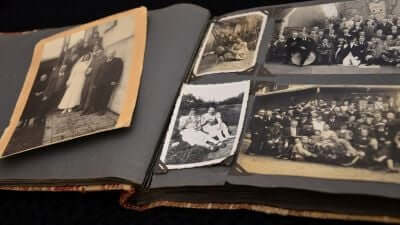
Reflection Tip: Create a "Year in Review Storybook" of meaningful experiences, important relationships, and memorable moments. Capture the highlights and lessons you want to carry forward.
Adjustments: Analyzing the Present through the Past
For those with the Adjustments Perceptual Style, the past serves as a valuable library of lessons. You view it as a source of information to help make sense of the present. You’re focused on the knowable, the tangible, and the rational—and that means the past year likely offered valuable discoveries.
As you reflect, consider the knowledge you gained over the past year. What patterns emerged? How did past experiences help you solve present challenges? Use your analytical skills to identify areas where you can build on this foundation in the year ahead.
Reflection Tip: Identify five important insights from the past year. Consider how each one can help you understand your current circumstances and make informed decisions in the year ahead.
Flow: Relishing the Depth of Past Connections
If your Perceptual Style is Flow, your connection to the past is deep and enduring. You see life as an intricate web of relationships and traditions, and you treasure the time spent savoring shared experiences.
As you reflect on the past year, think about the traditions that brought you and your loved ones closer. How did history repeat itself in meaningful ways? What lessons are worth passing on? Use these reflections to strengthen your ties and create opportunities for shared growth in the year ahead.
Reflection Tip: Write a gratitude letter to someone who helped shape your year. Reflect on the experiences, relationships, and traditions that continue to bring meaning to your life.
Goals: Short-Term Wins, Big Impact
For those with the Goals Perceptual Style, the immediate future is your primary focus. You’re all about tackling challenges and making progress, and the past only interests you to the extent that it informs current successes.
As you reflect, focus on the wins you achieved over the past year. Which objectives did you check off your list? What new opportunities emerged because of your hard work? Celebrate those successes and channel that momentum into planning your objectives for the year ahead.
Reflection Tip: Create an "Achievement Board" highlighting the goals you've accomplished and the progress you've made. Use that momentum to identify the next challenges you're ready to tackle.
Methods: Objectively Observing the Here and Now
For those with the Methods Perceptual Style, the present is king. You see the past as data—a reference point that informs current actions—but it’s the here and now that matters most.
As you reflect, think about the practical decisions you made over the past year. How did they serve you? Which approaches worked best, and where did you encounter obstacles? Use this understanding to refine your strategies and focus on what you can realistically achieve in the year ahead.
Reflection Tip: Create a "What Worked/What Didn't" list. Identify the practical approaches that delivered results and the adjustments that could improve your effectiveness moving forward.
Vision: Imagining What’s Next
If your Perceptual Style is Vision, you live for the future, and reflection often serves as a springboard for what’s to come. You’re not one to dwell on the past; instead, you see it as a single outcome from an endless array of possibilities. The present is just a clue to what’s possible next.
As you reflect on the past year, ask yourself: What glimpses of the future excited you most? How can you take bold steps to make your vision a reality in the year ahead? Lean into your optimism and belief that the best is yet to come.
Reflection Tip: Create a "Future Possibilities Map" that captures the ideas and opportunities that excite you. Then identify a few meaningful actions that could help bring those possibilities to life.
The Power of Perspective
Understanding how your Perceptual Style influences your relationship with time can deepen your self-awareness and help you approach reflection in a way that feels natural and meaningful. There is no single right way to look back on your experiences or prepare for what comes next. Each Perceptual Style offers its own perspective, revealing different kinds of insights and opportunities for growth.
Whether you draw strength from meaningful connections, analyze lessons from experience, celebrate accomplishments, or imagine future possibilities, the goal is the same: to understand yourself more fully and use that awareness to move forward with greater clarity and purpose. When you recognize the natural strengths of your Perceptual Style, reflection becomes more than a look backward. It becomes a way to make the most of who you are and what lies ahead.
Please share your thoughts on this topic in the comment section below.
Find out more about the services we have available to help you find the success you want and deserve!
© Vega Behavioral Consulting, Ltd., All Rights Reserved
About Lynda-Ross
Lynda-Ross Vega is a partner at Vega Behavioral Consulting, Ltd., where she specializes in helping corporate leaders, entrepreneurs, and individuals strengthen communication, improve team dynamics, navigate change, and develop their natural strengths. She is co-creator of Perceptual Style Theory, a psychological framework and assessment system designed to help people recognize how they naturally perceive the world and use that understanding to build more fulfilling personal and professional lives.
Additional information about Lynda-Ross




