Psychology and Leadership, Part 4: Flow and Goals

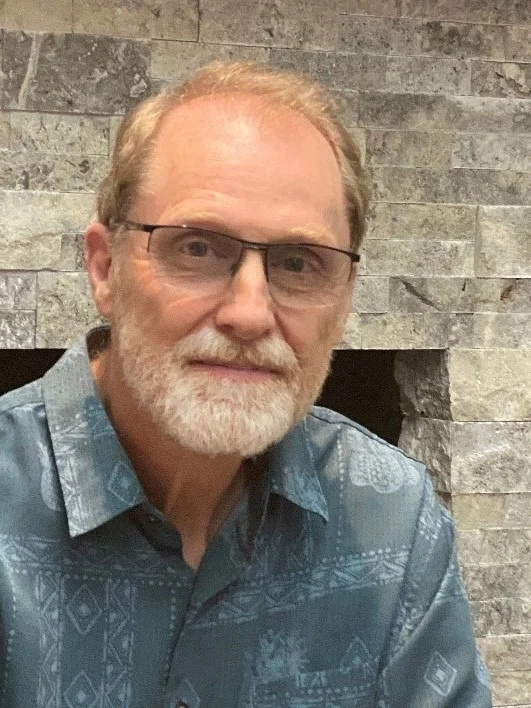
Co-creator of Perceptual Style Theory
In the first two parts of this five-part series on Perceptual Style Theory (PST) and leadership, we examined the nature of leadership and five leadership qualities influenced by PST. In the final three articles, we explore how each Perceptual Style approaches leadership. Each article compares two contrasting Perceptual Styles and provides real-world examples of their leadership approaches.
Flow Perceptual Style: Collaborative Leadership
Those with the Flow Perceptual Style most challenge the generally accepted meaning of the word leadership. This is because they are far and away the most nuanced in their application of leadership skills. They suggest, encourage, and endorse specific actions; with a word here and comment there they gently nudge the direction of events in the way they want them to go. They are collaborative leaders who seek input from everyone involved, build consensus, and secure buy-in before taking action. They value and create the feeling of community and equality of inter-relationships. They lead so carefully and unobtrusively that others are often unaware they have been led because they are left with a feeling of self-empowerment and involvement. They attract followers through no apparent or overt action on their part other than listening and advising. People follow them because it feels right to do so.
Examples of Flow Leadership in Action
Flow leaders often avoid the spotlight. They often gravitate to “behind the scenes” roles and shine the spotlight on their followers for the public to see. Consequently it’s hard to find real-world examples that are well-known enough to be recognized by most people. Some that come to mind are political leaders Jimmy Carter and Mary Parker Follett, entertainer Garrison Keillor, psychologist Carl Rogers, and religious leaders Mother Teresa and the Dalai Lama.
Goals Perceptual Style: Decisive Leadership
Those with the Goals Perceptual Style are on the completely opposite end of the spectrum from Flow. In the Goals PS you see the epitome of what most people consider to be leadership. Goals people lead boldly and courageously with decisive action that sets new directions and steers a confident path towards the future. They are directive leaders who charge to the front rallying those around them with exhortations to heroic action and self-sacrifice. They make quick decisions and move into action assertively and confidently to take advantage of opportunities that present themselves. They do not hesitate to tell others directly what needs to be done and what they want each person to do. They communicate expectations directly and expect others to respond with decisive action. A Goals style of leadership may elicit resentment when there is no crisis to be subdued, but it is respected and welcomed in times of chaos and confusion. Their clear direction and confident demeanor provide a focal point around which others rally. They attract followers because of their dominating style that provides practical direction and action in the midst of chaos and crisis.
Examples of Goals Leadership in Action
Unlike Flow, finding real world examples of Goals leadership is not difficult as people with the Goals style are drawn to the spotlight. Goals leadership can be seen in actors such as Clint Eastwood and Katharine Hepburn, military leaders like George S. Patton, and political leaders such as Winston Churchill and Dick Cheney.
Why Perceptual Style Cannot Be Determined by Observation Alone
Important Note: It is impossible to determine another person's Perceptual Style through observation alone, especially when considering public figures. The individuals mentioned in this article are illustrative examples based on their publicly observed leadership behaviors. Their actual Perceptual Styles cannot be confirmed without their completing the Perceptual Style Assessment.
Please share your thoughts on this topic in the comment section below.
Find out more about the services we have available to help you find the success you want and deserve!
© Vega Behavioral Consulting, Ltd., All Rights Reserved
About Dr. Gary M. Jordan, Ph.D.
Gary Jordan, Ph.D., has over 35 years of experience in clinical psychology, behavioral assessment, individual development, and coaching. He earned his doctorate in Clinical Psychology from the California School of Professional Psychology – Berkeley. He is co-creator of Perceptual Style Theory, a revolutionary psychological assessment system that teaches people how to unleash their deepest potentials for success. He’s a partner at Vega Behavioral Consulting, Ltd., a consulting firm that specializes in helping people discover their true skills and talents.
Additional information about Dr. Jordan