Challenging The Dark Art of Ego Defense

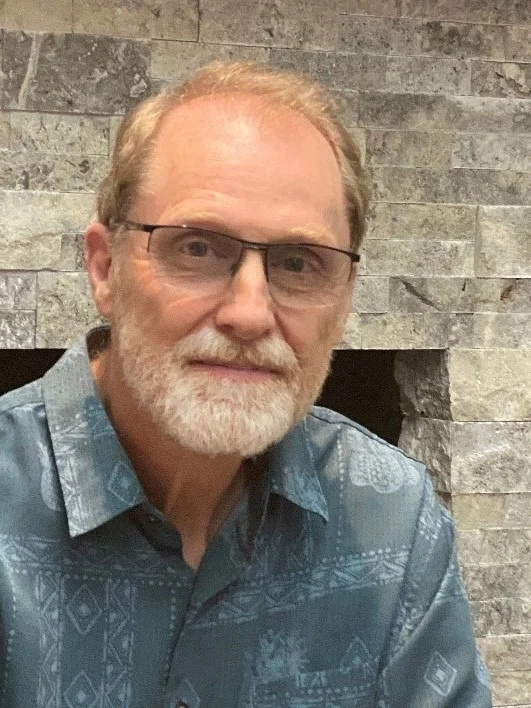
Co-creator of Perceptual Style Theory
Three Truths the Pandemic Brought Into Focus
Early in the COVID-19 pandemic, I realized that the sudden disruption of everyday life had brought two fundamental truths into sharper focus—truths most of us would rather avoid thinking about: "We are not in control," and "We do not know what is going to happen." As the pandemic continued, I found myself recognizing a third: "We are all, in some sense, alone." These are not new realities, but the pandemic made them much harder to ignore.
Now, I grant you that these are “heavy” existential truths that most people don’t think about on a daily basis, at least not consciously. But I’ve noticed two things in my practice: an uptick in distress from all three existential truths in a significant portion of my clients, and my clients have been consciously articulating and naming these truths as issues very early on in our work.
It is not unusual for people to confront one or more of these truths if they stay in therapy and do the work, but it usually takes many months to years before these deep unconscious fears can be articulated. During the Pandemic clients were talking about them in days and weeks, with many doing so during their first appointment.
Why Uncertainty Can Feel So Overwhelming
The challenge for my clients, of course, was that while awareness was increasing their ability to absorb that awareness without anxiety or depression was decreasing! A Pandemic side-effect is that it highlighted existential issues while it removed access to the usual ways in which we cope with them.
The Belief That Life Should Be Easier
Most, if not all, of my clients seek professional help because something about their life is not as they believe it should be. They arrive depressed and/or anxious, and they are convinced that there is something wrong with them because they find life difficult and challenging. According to them life is supposed to be easy, and they are supposed to be happy, so why don’t they feel that way?
Perhaps a more accurate way to say it is that they believe there is something wrong, something they missed, something they are not doing because their life is full of challenges, problems, and difficulties. They arrive looking for the key to solve life and they often believe that they somehow missed out on the secret to happiness that everyone else clearly has.
While the pain that my clients feel is real, there are two conclusions that they are drawing about that pain that are inaccurate: 1. There is something wrong with them if there is pain in their lives and they are not happy all the time, and 2. There is something they can do that will fix what is wrong. (I call this the If/Then Double Lie and you can read more about it in a post I made on 1/24/22.)
These two incorrect conclusions are shared by many people, not just my clients. People become my clients when they get tired of chasing after happiness by doing more, earning more, having more, learning more, experiencing more etc. They don’t know what isn’t working, but they are clear that something isn’t.
Rather than challenge the first conclusion, it is taken as “the way life should be.” This leads to a great expenditure of time and energy in an effort to figure out what is wrong and fix it! This rarely works because it does not address the three truths. The best it can do is distract us from them for a little while.
How Our Ego Responds to Uncomfortable Truths
The three truths are painful and challenging because they are all direct attacks on the ego and our own sense of self-importance. There are a lot of ways to talk about what the ego is, but one of the most useful for me is that it is a story we tell ourselves and others that we use to distract ourselves from the pain of our lives.
Although this story is something we construct, we often become deeply invested in believing it is true. When life's uncertainties challenge that story, we may respond by trying to defend our familiar understanding of ourselves and the world. For some people, the resulting tension can contribute to feelings of anxiety, sadness, or emotional distress. Recognizing this conflict can provide an opportunity to explore how our expectations influence the way we experience life's difficulties.
We want the symptoms to go away, but we don’t want to look at what drives them. We would rather turn to external solutions for temporary fixes than turn inward to explore the pain.
Finding Strength Through Acceptance and Self-Awareness
The pandemic did not create every difficulty we experienced, but for many people it removed familiar distractions and coping routines, bringing longstanding concerns into sharper focus. While the experience involved genuine hardship and loss, it also created opportunities for reflection. We could begin examining the expectations we hold about ourselves and our lives, acknowledging the uncertainty we cannot eliminate, and developing a more accepting relationship with the challenges that are part of being human. That kind of exploration can become an important part of emotional growth.
The question, then, is what we choose to do with the awareness that difficult experiences can bring. Do we return to familiar patterns of avoiding uncertainty and discomfort, or do we use those experiences as opportunities to understand ourselves more deeply? We cannot control everything that happens in life, and we cannot always know what lies ahead. But we can develop greater self-awareness, recognize the strengths we bring to life's challenges, and learn to respond with greater acceptance, resilience, and wisdom.
“Don't wish it was easier wish you were better. Don't wish for less problems wish for more skills. Don't wish for less challenge wish for more wisdom”
― Jim Rohn
Please share your thoughts on this topic in the comment section below.
Find out more about the services we have available to help you find the success you want and deserve!
© Vega Behavioral Consulting, Ltd., All Rights Reserved
About Dr. Gary M. Jordan, Ph.D.
Gary M. Jordan, Ph.D., has over 35 years of experience in clinical psychology, behavioral assessment, individual development, and coaching. He earned his doctorate in Clinical Psychology from the California School of Professional Psychology – Berkeley. He is co-creator of Perceptual Style Theory, a psychological framework and assessment system designed to help people recognize and develop their natural strengths. He is a partner at Vega Behavioral Consulting, Ltd., a consulting firm specializing in helping people discover their skills and talents.
Additional information about Dr. Jordan