Change and transition in times of COVID

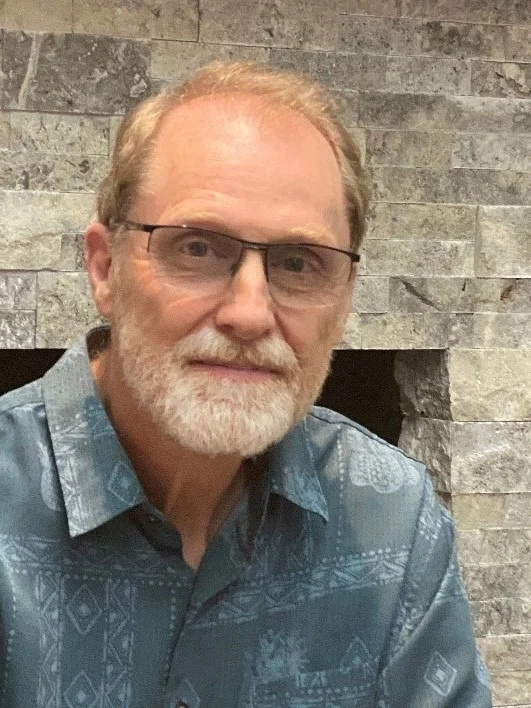
Co-creator of Perceptual Style Theory
The COVID-19 pandemic reminded us of something we often prefer to forget: life can change dramatically, whether we are ready for it or not. Familiar routines disappear, plans become uncertain, and the sense of control we depend on can suddenly feel fragile.
The ancient Greek philosopher Heraclitus is often credited with the observation, "There is nothing permanent except change." Yet knowing that change is inevitable does not necessarily make it easier to experience.
One of the most important lessons from the pandemic is that while circumstances can change almost overnight, adapting emotionally and psychologically takes time. Understanding that difference can help us navigate not only major crises but the many changes we encounter throughout our lives.
Change is constant, but people don’t really like change. Even people who say they do are usually referring to things they have direct control of or events when they are the “leader.”
Why Change Is Difficult, Even When We Expect It
Uncertainty can activate our natural stress responses, especially when a change threatens our sense of safety, stability, or control. Even changes we welcome may bring anxiety because they require us to leave familiar patterns behind and adjust to something new.
One of the biggest challenges is that things change, but people transition, and while things change quickly, people transition slowly.
We attend to those changes that we cannot avoid or ignore through a process in which we mourn the ending of what was, explore multiple different possibilities, and then embrace what will be. That’s the transition process.
If you’ve lost a loved one, been uprooted from your job or home, or experienced any form of sudden, dramatic change, you’ve experienced the full impact of the transition process. You know the pain and disorientation that comes with the loss of the familiar and the difficulty of embracing a new and different reality.
The Three Stages of Psychological Transition
Even changes we view as positive or have initiated ourselves demand that we move through all three stages of the transition process – ending, neutral zone, and new beginning. (William Bridges defined these stages in 1991 in his groundbreaking book Managing Transitions.)
We may not even be aware of the transition process as we move through it for small changes in our lives. However, with significant change, the pain of letting go, the confusion of “what next?” and the cautious excitement of something new are more acute, so the transition stages are often more apparent and the emotional experience more noticeable and disruptive.
Change strips us of our sense of control. Change points out poignantly that we do not know what is going to happen next.
We usually find some balance in the transition process because not all aspects of life around us are affected as we are. We can look to others, both friends and strangers alike, and see that life is going on “as usual.” And this “life as usual” provides a marker of normalcy that holds us in context and gives us a broader sense of comfort.
What COVID-19 Taught Us About Uncertainty
Looking back at the early months of the COVID-19 pandemic, the experience provides a powerful illustration of what happens when an entire society must navigate unexpected change at the same time.
But what happens when not only everyone around you but the entire 7.8 billion inhabitants of the world are confronted simultaneously with the reality of “We are not in control. We do not know what is going to happen.”?
Welcome to COVID-19!
On such a massive, unexpected scale, it can be difficult to see that the world changed, and all of us are struggling to transition.
What are we struggling to transition to…what is the new normal? That question drives a lot of end phase denial and neutral zone confusion, fear, and anger.
The ending transition stage for the current change driven by COVID-19 began at different times for most of us, but the reality of its seriousness hit in mid-March when most of the United States went into some level of lockdown.
Endings destroy security, routine, and predictability, and we respond with uncertainty, reservation, denial, shock, anger, fear, or sadness.
We had never experienced anything like this before. It was “unprecedented.” There was (and still isn’t) any road map to follow.
As we reluctantly moved into the neutral zone—where none of the old rules apply, and the new rules have yet to be defined—we found ourselves feeling insecure as we were assailed by chaos on all fronts. No one knew what to do, the information we received was often contradictory, and lives, often our own, were being drastically altered.
The neutral zone is a time of confusion, disorientation, frustration, skepticism, and/or apathy. The neutral zone is uncomfortable, and our current reality is we’ve endured it for months on end. It has frayed our nerves and our tempers and tested our patience.
As could be predicted, many found the neutral zone to be too uncomfortable to bear. We all have difficulty with the lack of structure and familiarity that exists in the neutral zone. We want to go back to the way it was – “The pandemic isn’t real!”, “We will be through this in a month.” – or we want to jump ahead prematurely – “Things will get back to normal soon,” “I’m tired of all this talk about COVID; it's more important to get our lives back on track than worry about it!”
But no matter how hard we fight accepting it, things will not go back to the way they were pre-pandemic. Things will get better, but the long-term result will be a “new” normal that will take a while to arrive, and in which we will discover that we have been changed irrevocably in ways we cannot yet predict.
Unlike employees who quit rather than accept and adjust to the changes their company makes, there is no opt-out from the changes precipitated by COVID-19. Denying it will not make it go away, and there is literally no place in the world to go where the pandemic is not changing things.
It is hard to live through changes that you cannot avoid and at the same time keep your perspective about the necessity of the transition process, but that is what we are all being called to do. Understanding things theoretically does not make anyone immune to the psychological and emotional process of living through them.
We want to do more than survive COVID-19. We want to thrive through the change that it has forced upon us.
How to Move Forward Through Change
Take some time to reflect on what you have lost that will never return. Common losses brought about by change involve control, competencies, attachments, meaning, turf, expected futures, structure, membership, power, and importance. What has changed for you? Identify those changes and allow yourself to grieve their passing.
Acknowledge the confusion and uncertainty of where we all are right now – in the neutral zone. Identify your response. What are you afraid of? What are you most confused and uncertain about? Talk to others to discover that you are not alone in your concerns.
New, real beginnings always come. Those who can surrender what is lost, accept what has happened, and open themselves to new possibilities will ultimately thrive.
The pandemic taught us that we cannot always choose the changes we face, but we can become more aware of how we respond to them. Recognizing the transition process, allowing ourselves time to adjust, and drawing on our natural strengths can help us move forward with greater understanding, resilience, and confidence.
PS. As you’ve probably guessed, each Perceptual Style has characteristic responses to change and the transition process. Next time, we’ll explore a few tips and techniques you can use to help you with transition.
Please share your thoughts on this topic in the comment section below.
Find out more about the services we have available to help you find the success you want and deserve!
© Vega Behavioral Consulting, Ltd., All Rights Reserved
About Dr. Gary M. Jordan, Ph.D.
Gary Jordan, Ph.D., has over 35 years of experience in clinical psychology, behavioral assessment, individual development, and coaching. He earned his doctorate in Clinical Psychology from the California School of Professional Psychology – Berkeley. He is co-creator of Perceptual Style Theory, a revolutionary psychological assessment system that teaches people how to unleash their deepest potentials for success. He’s a partner at Vega Behavioral Consulting, Ltd., a consulting firm that specializes in helping people discover their true skills and talents.
Additional information about Dr. Jordan