Honoring Love That Never Leaves: My Day of the Dead Tradition
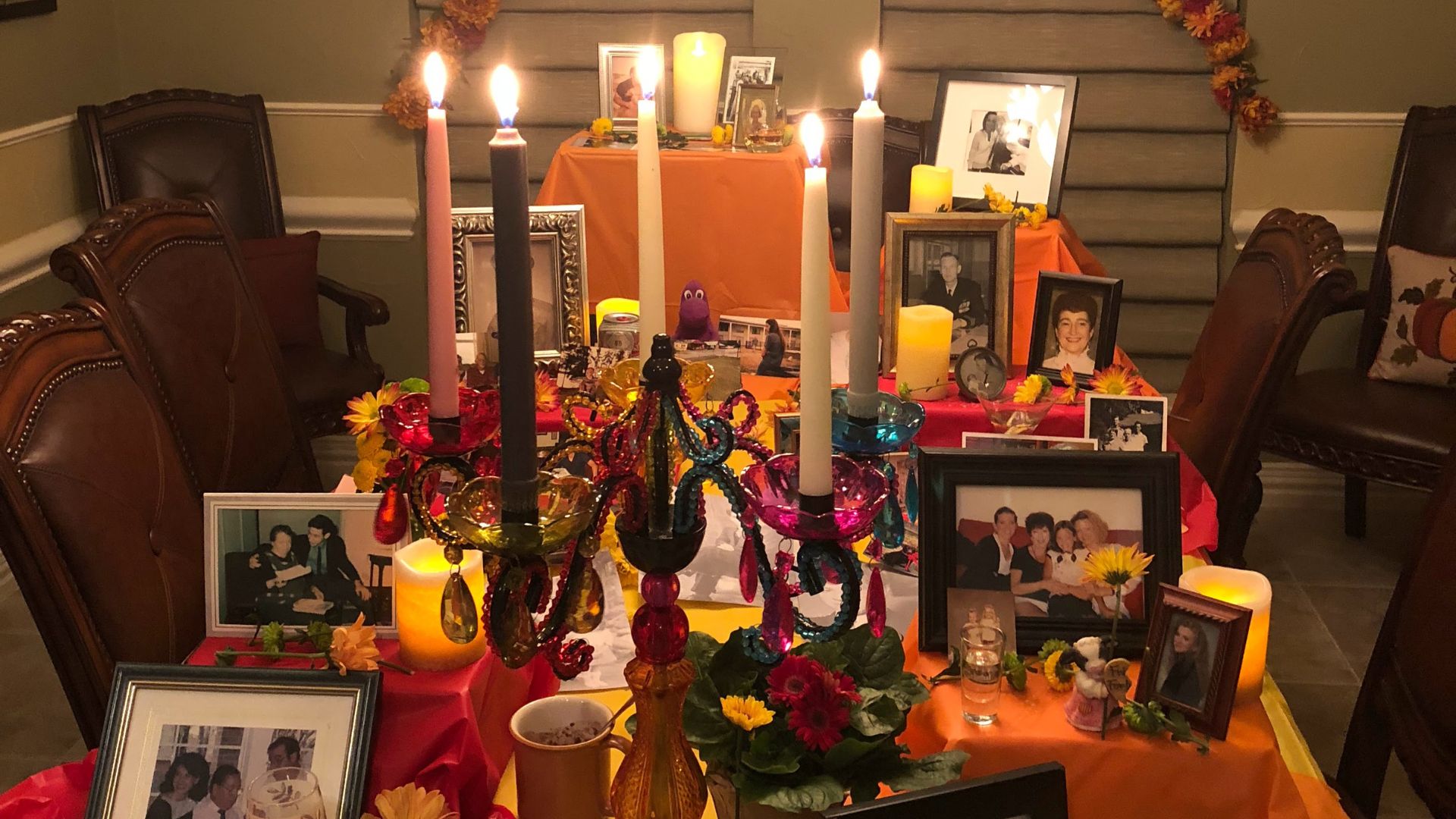
Sixteen years ago, during a long weekend in San Miguel de Allende, I stumbled into one of the most beautiful traditions I'd ever seen. The plaza was alive with color. There were vibrant marigolds, candles flickering in the twilight, photos of smiling faces long gone, favorite foods carefully arranged, and tiny keepsakes that once belonged to the people being remembered.
It was my first experience of Día de los Muertos, the Day of the Dead, and something in me was deeply moved. This wasn't grief on display; it was love. Gratitude. A celebration of connection that doesn't fade with time.
Discovering Día de los Muertos: A Celebration of Connection
What struck me most was the way remembrance and celebration existed side by side. The photographs, flowers, candles, and personal treasures weren't simply reminders of loss. They were expressions of love for people whose presence continued to matter.
There was something comforting about the openness of it all. Memories weren't tucked away or treated as something to be visited only in private moments. They were brought into the light, surrounded by color, stories, and affection.
I carried that experience home with me, not realizing at the time that it would become one of our family's most meaningful traditions.
Creating Our Own Family Ofrenda
The next year, my husband and I created our own version of an ofrenda (a remembrance altar) at home. We didn't have traditional sugar skulls or papel picado, but we had a dining room table, family photos, and a desire to honor the people who shaped our lives.
Each year since, that table has become a home for our memories. We cover it with fall colors, candles, flowers, and pictures of loved ones who have passed. A favorite coffee cup here, a piece of jewelry there—small reminders of who they were and how they touched our lives.
Every time I pass by, I smile. There's comfort in seeing those faces and knowing they're still part of our story.
We usually leave the table up for four or five days. During that time, family and friends drop by. We gather around the photos, share stories—some heartfelt, some funny, some we've told a hundred times—and there's a gentle mix of smiles, nostalgia, and a sense of belonging.
What began as a simple effort to recreate something beautiful we had experienced in Mexico has become a cherished part of how we remember the people we love.
The Love That Remains Through Memory
Some years, a loss still feels raw. The ache is closer to the surface, and the first few stories catch in our throats. But the remembering helps soothe. It turns sharp edges into softer ones.
Over time, the number of photos on the table has grown. So has the feeling of gratitude that comes with remembering.
We're reminded that while people may leave this world, the love they gave us remains. It's in our stories, our habits, our humor—even in the ways we show up for one another.
In a culture that rushes past loss or tries to package it neatly, Día de los Muertos offers something profoundly healing: permission to keep our loved ones close through memory. To smile and celebrate their lives instead of focusing only on their absence.
Maybe that's what makes this tradition so powerful—it's a celebration of connection, not separation.
As I light the candles this year, I'll give thanks for the many hands that have held mine, the laughter that still echoes in memory, and the love that continues to shape who I am.
Because love, when remembered, never really leaves.
Do you have a tradition that helps you remember and celebrate the lives of people you've loved? I'd enjoy hearing about it. Please share your memories and thoughts in the comment section below.
The ways we connect, remember, and experience the world are deeply personal. Explore Perceptual Style Theory™ to learn more about the different ways people perceive and experience life.
© Vega Behavioral Consulting, Ltd., All Rights Reserved
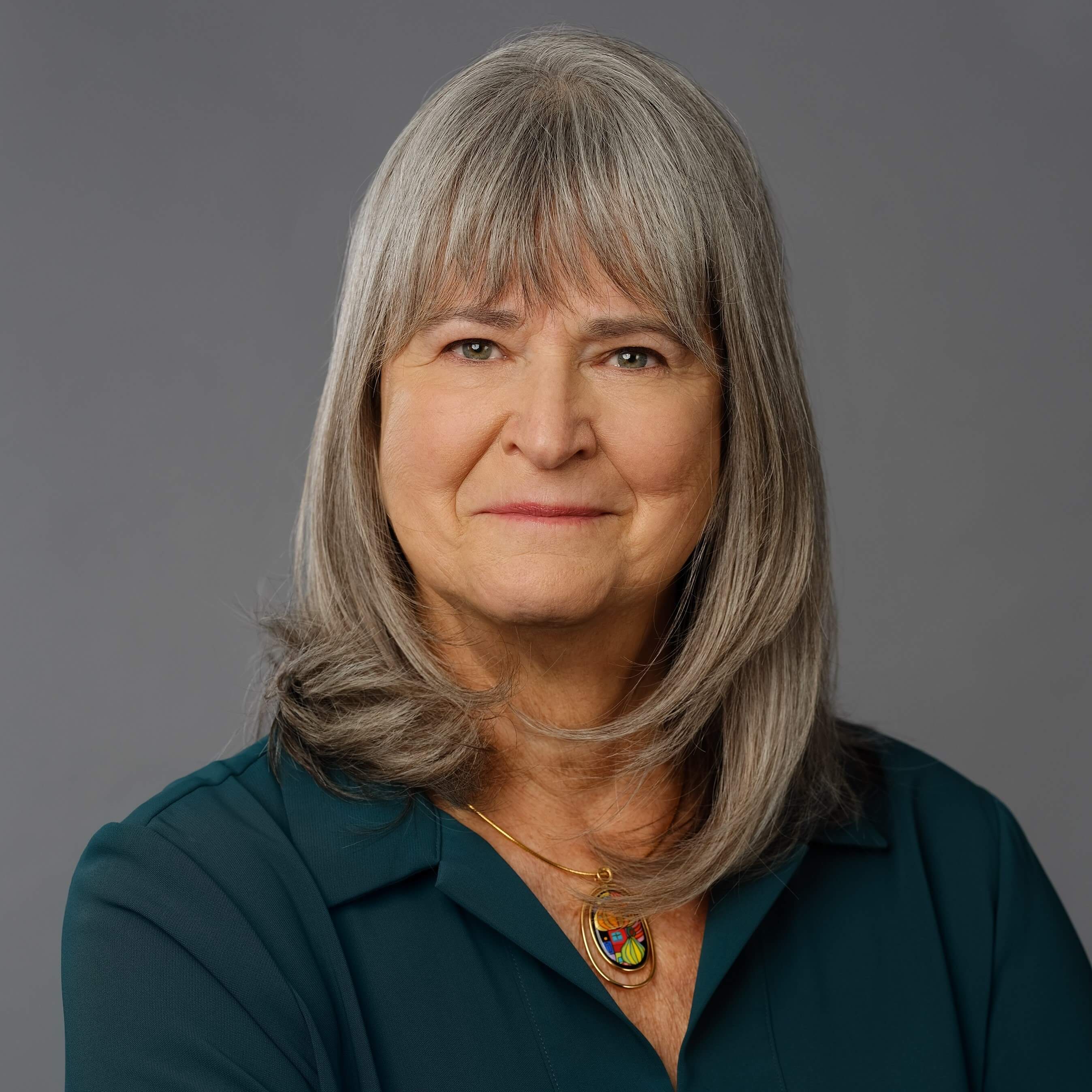
About Lynda-Ross Vega
Lynda-Ross Vega is a partner at Vega Behavioral Consulting, Ltd. She specializes in helping corporate leaders, entrepreneurs, and individuals with interpersonal communications, team dynamics, personal development, and navigating change. Lynda-Ross is co-creator of Perceptual Style Theory™, a behavioral framework and assessment system that helps people recognize their natural strengths and apply them to their personal and professional lives.
Additional information about Lynda-Ross Vega




